
The “buy local” buzz is back since U.S. President Donald Trump sparked a trade war with Canada, driving up prices for thousands of products — from aluminium to zucchinis.
Consequently, many of Ontario’s food producers have reported a surge in consumer interest.
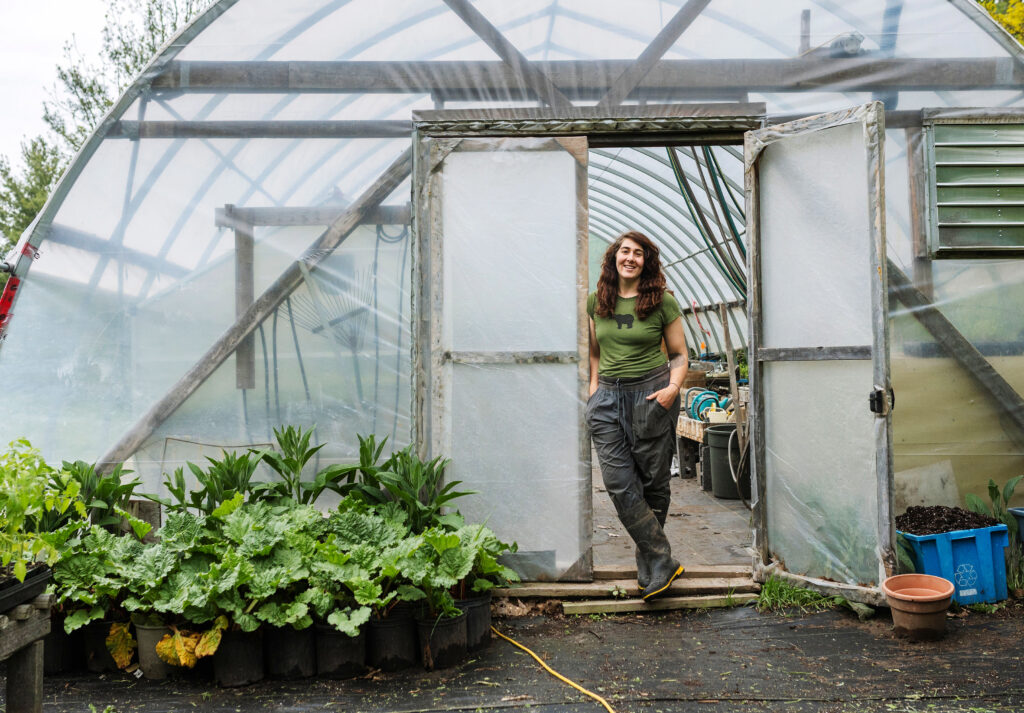
“We’ve seen a renewed enthusiasm akin to what happened during COVID,” said Sarah Dolamore, farm manager at Mount Wolfe Farm in Caledon.
“When people start getting signals from the world that our globalized systems are inherently precarious because they rely on smooth international relations or cheap available energy to transport stuff… then we see these bumps in interest. If and when things stabilize, people are so busy, it kind of goes to the back burner of their mind and tapers off again.”
If buying local, sustainably grown food is top of mind for you, Mount Wolfe Farm’s Community Supported Agriculture (CSA) program is worth checking out.
“It’s a business model for small to medium-sized farms where customers buy a share in the season, pay up front, and receive a weekly basket or a bi-weekly basket (of food) depending on the style of the program,” Dolamore said.
“This business model helps farms of our scale have the capital to buy seed and pay our staff before we have something, like a cucumber, to sell. … It also recognizes that there is an inherent risk in farming because of the vagaries of the season and with prices of various things being quite volatile.”
It’s sort of a “gesture of solidarity” on behalf of the customer, Dolamore said.
“(Essentially, they’re saying) we recognize that farming is inherently risky, we value its presence in our landscape and this is how we’re going to make it less precarious, by supporting you at the beginning so you can grow the food we depend on,” she said.
Mount Wolfe’s CSA program, which was launched in 2016, operates a little differently than many others.
“Most farms I’m aware of offer different sizes of shares, where as we alter the frequency,” Dolamore explained. “The full share is every week in the summer and every other week in the winter. The half is every other week in the summer and once a month in the winter; it’s the same volume of food, but half the frequency.”
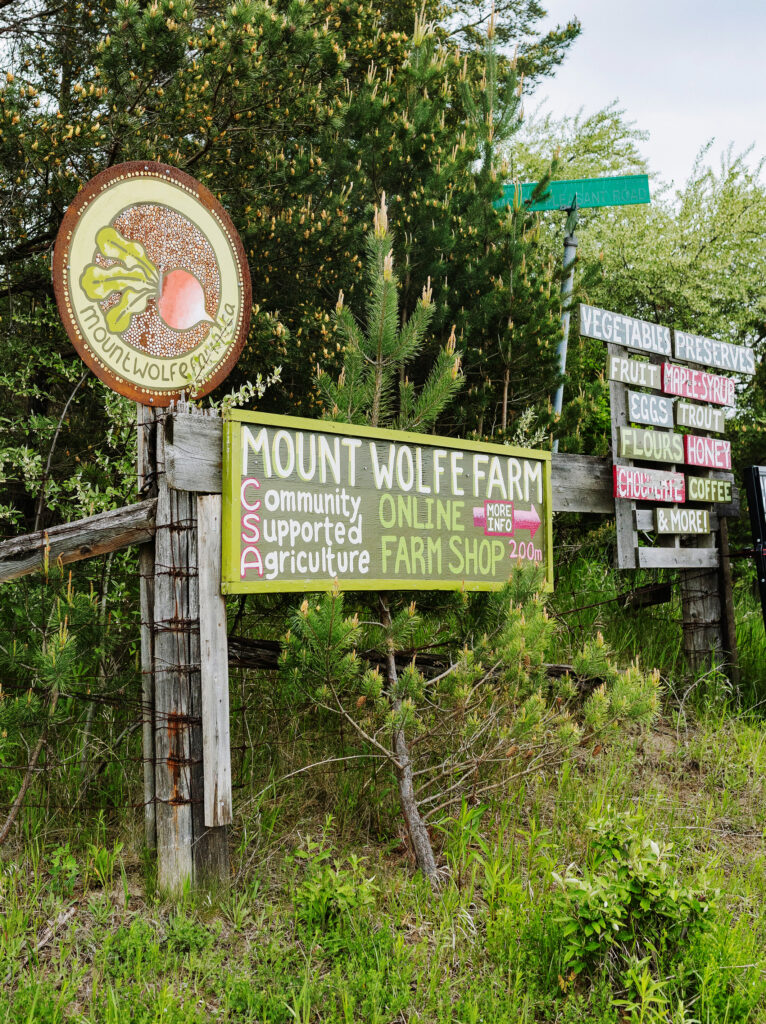
Customers can choose from among six main CSA membership types — full year, full-year half, summer, summer half, winter and winter half.
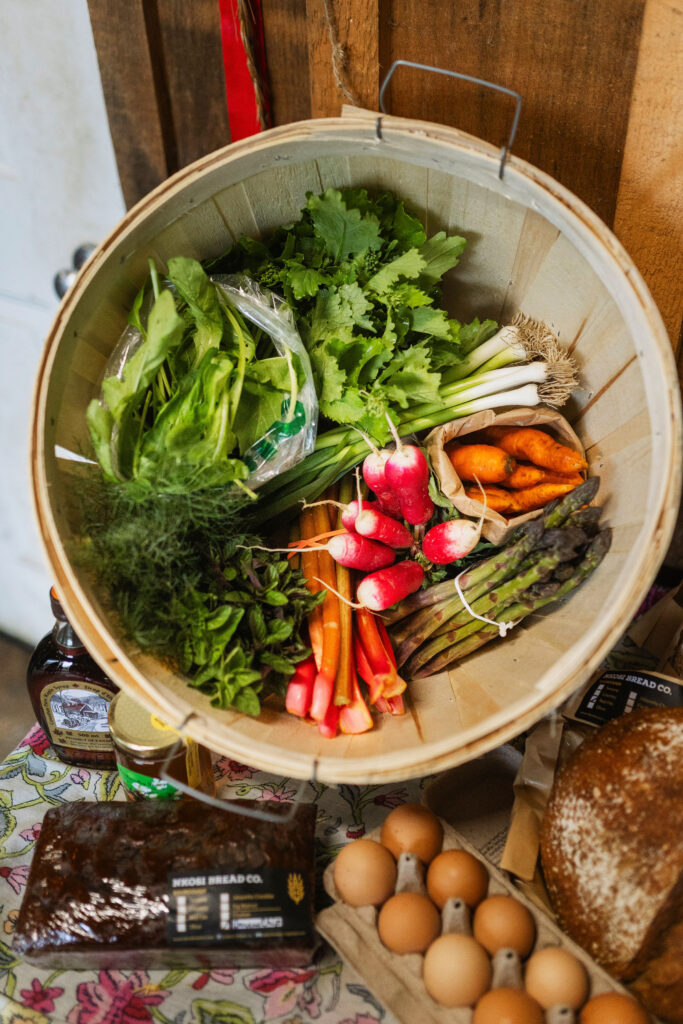
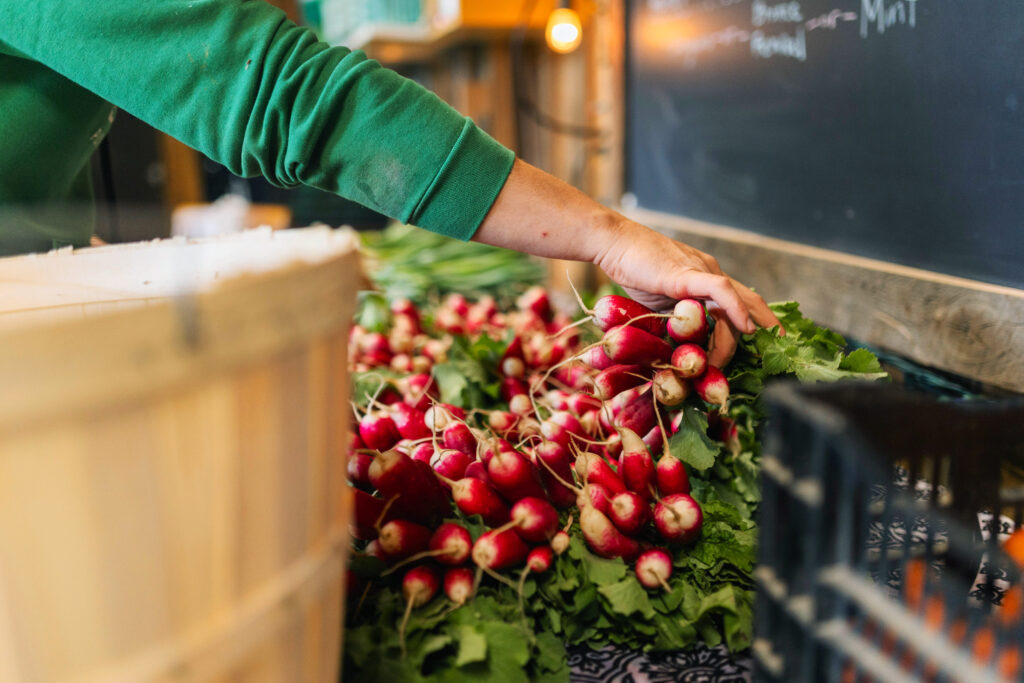
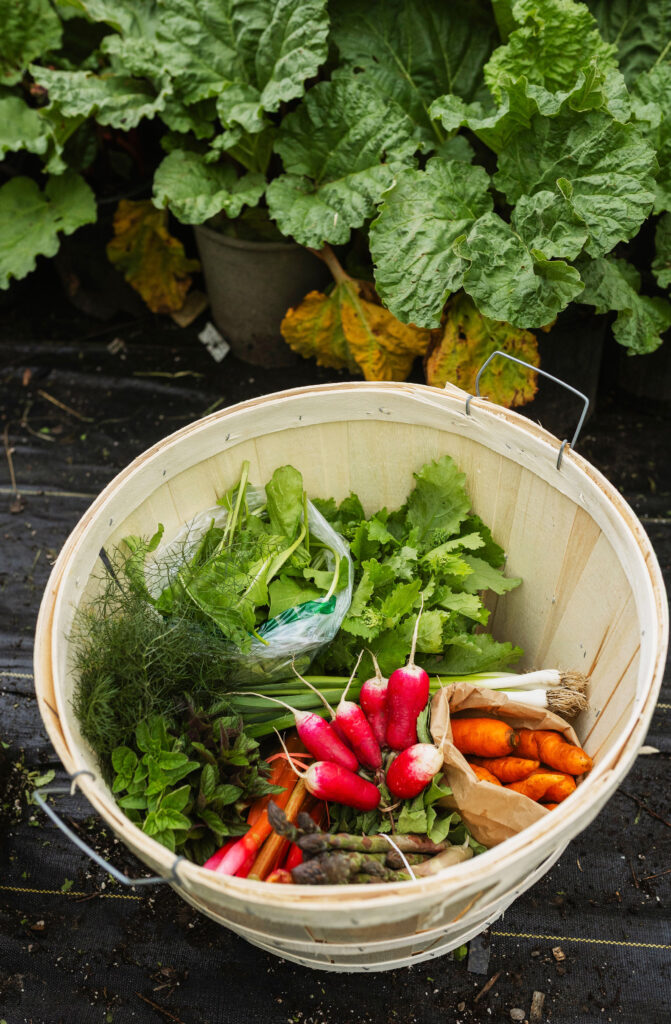
Buying a membership gets you a seasonal assortment of vegetables such as arugula, rapini, rhubarb, beets, zucchini, tomatoes, eggplant, fresh herbs, squash, leeks, cabbage, shallots, and turnip.
Memberships range in price from $264 for a winter half share (one basket per month from October to January) to $1,642 for a full-year share (28 baskets from May to January)
Given today’s soaring food prices, many shoppers are finding that a CSA membership isn’t significantly more expensive than buying from a grocery store — and “the quality is way higher,” Dolamore said.
Those interested in signing up for a full-year membership or a summer membership, typically do so in the spring, with late sign up available until mid-June, Dolamore said.
Those interested in purchasing a winter membership, which starts after Thanksgiving weekend, can do so up until autumn.
Mount Wolfe also offers customers the option to buy additional credit, called Wolfe Bucks, which can be used to buy a variety of products from trusted vendors, who “share our values around ecological sustainability and business practices,” Dolamore said.
These include grass-fed beef, flour, fresh bread, pasture raised, non-GMO chicken, honey, certified organic sweet corn and apple products as well as preserves, chocolate and coffee.
Another unique aspect of Mount Wolfe’s CSA program is that customers pick up their orders at the 70-acre sustainable farm—located at 10054 Old Church Rd.—rather than receiving home delivery.
“We like our members to come to the farm so they can get a dose of what it’s like being on the land,” Dolamore said. “It’s a very important mandate of ours that people form a relationship to the land.”
Those who are keen to learn more about Mount Wolfe Farm, but aren’t ready to commit to buying a membership, can shop during the CSA pickup, on Thursday afternoons, or attend the annual open house on Thanksgiving weekend.
“That’s a really great time for people, if they’re interested, to come check us out,” Dolamore said.
How to know if a CSA is right for you
Deciding if a CSA (Community Supported Agriculture) program is right for you depends on your lifestyle, eating habits, and values. Start by considering your dietary preferences. Do you enjoy cooking at home and eating fresh fruits and vegetables? CSAs typically provide a variety of seasonal produce, which can be exciting for adventurous eaters but may feel limiting to those who prefer specific items or processed foods.
Next, think about flexibility. CSA shares are usually picked up weekly (or delivered), and the contents vary based on what’s in season. If you like planning meals around what’s available and can adapt to surprise ingredients, a CSA could be a good fit. However, if you travel frequently or have a busy schedule that limits meal prep, the commitment might be challenging.
Budget is also a factor. While CSAs often offer good value for fresh, local food, the upfront cost—usually paid at the start of the season—may not suit everyone.
Finally, consider your values. Supporting local farmers, reducing your carbon footprint, and participating in sustainable agriculture are central to the CSA model. If these align with your priorities, a CSA can be a fulfilling and worthwhile choice. Some farms even offer trial shares, which can help you decide.